 Employee engagement gets talked about a lot, but the conversation usually stays on culture, leadership, and compensation. The physical environment tends to get skipped over, which is a mistake. Where your people spend their time shapes how they feel about their work, and facility managers have more influence over that than most organizations recognize.
Cleanliness Builds Trust
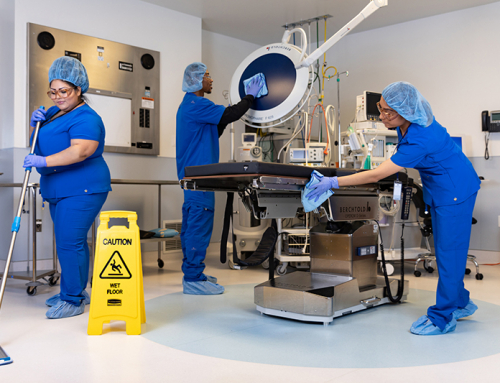
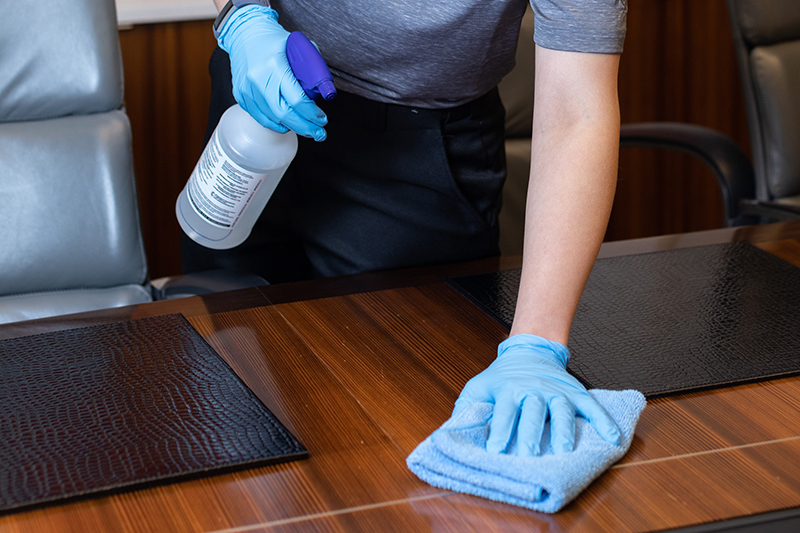
A clean, well-maintained facility tells employees they are valued before a single word is spoken. When people walk into a space that is visibly cared for, it sets a tone for the entire day. The depth and frequency of your cleaning program matters here, not just surface appearances. Associates notice, and that confidence carries into their work.
The Small Details Add Up
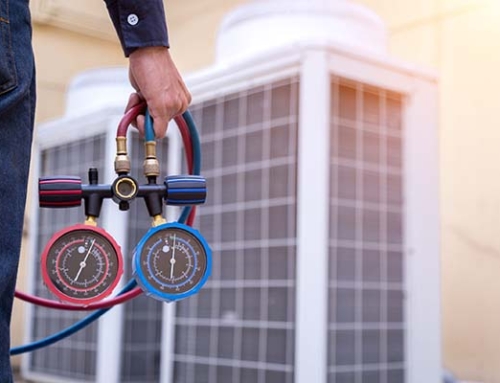
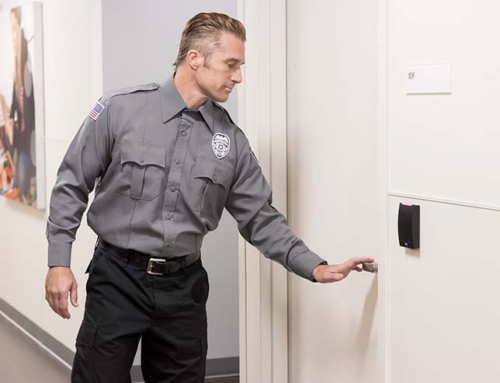
Security, lighting, restroom supplies, temperature seem simple, but they compound quickly when they are not taken care of. Poor lighting drains alertness and energy. Restrooms running out of basics is a small friction that employees feel every single day. Temperature is more important than most people think, with research pointing to the 69 to 72 degree range as the sweet spot for focus and comfort. And air quality is worth investing in. Properly running HVAC systems remove allergens, bacteria, and particulates so the environment is genuinely healthy, not just visually clean.
Collaboration Spaces Drive People to Show Up
Hybrid work is simply how most organizations operate now. When associates are in the office, the environment plays a direct role in how productive and connected they feel. People come in for collaboration, so the layout should reflect that priority. Informal meeting areas, coworking zones, and spaces designed for interaction make those in-person days count. Organizations that build flexibility into how their space functions see real payoff in retention and engagement.
Maintenance Response Time Signals Organizational Priorities
How quickly maintenance issues get addressed communicates an organization’s commitment to employee comfort at work. Burned-out lights, leaking faucets, or malfunctioning HVAC units that aren’t promptly addressed all tell employees the same thing: their comfort is not a priority. When a facility team responds quickly and communicates clearly about timelines, it builds confidence in leadership and reinforces that employee concerns are taken seriously. Proactive maintenance programs that identify and address issues before they become noticeable problems go even further, signaling that the organization is thinking ahead rather than just reacting. The physical environment speaks for itself: it’s one of the most visible expressions of what an organization values.